Are you struggling to find the best accounting software for your business in the UK? Choosing the right tool can save you hours, reduce errors, and keep your finances in perfect order.
But with so many options out there, how do you know which one is mostly used and trusted by businesses like yours? You’ll discover the top accounting software popular across the UK, helping you make a smart choice that fits your needs perfectly.
Keep reading to find the software that could transform the way you manage your accounts.

Credit: anna.money
Popular Accounting Software In The Uk
Small businesses and freelancers in the UK need reliable accounting software. They want tools that are easy to use and meet UK tax rules. Many software options are available. Some stand out for their features and user base.
These tools help with invoicing, tax filing, and payroll. They also offer reports to track business health. The right software saves time and reduces errors. It helps business owners focus on growth.
Quickbooks
QuickBooks is one of the most popular choices. It suits small to medium businesses. Users like its simple interface and cloud access. It supports VAT calculations and direct HMRC submissions. QuickBooks also offers mobile apps for on-the-go access.
Xero
Xero is widely used in the UK. It provides strong accounting features and bank feeds. Xero makes invoicing easy and automates bank reconciliation. It connects well with many UK banks. The software also supports multiple currencies for international trade.
Sage Business Cloud Accounting
Sage is a trusted name in UK accounting. It targets small businesses and startups. Sage offers VAT compliance and payroll services. Its cloud version allows access from anywhere. Users appreciate its strong customer support and training resources.
Freeagent
FreeAgent is popular with freelancers and small firms. It simplifies tax filing and expense tracking. FreeAgent integrates directly with HMRC for tax submissions. It offers project management tools alongside accounting features. The software is praised for its clear layout and easy setup.
Key Features To Consider
Choosing the right accounting software in the UK depends on several key features. These features help businesses manage finances smoothly and save time. Understanding what to look for makes the decision easier. Focus on aspects that match your business needs and goals.
User-friendliness
Software should be easy to use for all skill levels. Simple navigation and clear menus reduce errors. A clean design helps users find tools quickly. Training time decreases with intuitive interfaces. Good software lets you complete tasks fast and without confusion.
Integration Capabilities
Accounting software must connect with other business tools. It should work well with bank accounts, payment systems, and invoicing apps. Smooth data flow saves time and avoids mistakes. Integration supports better tracking of sales and expenses. Choose software that fits your existing workflow easily.
Pricing Models
Compare costs based on features and company size. Some software offers monthly or yearly plans. Look for transparent pricing with no hidden fees. Free trials help test software before buying. Pick a plan that suits your budget and growth plans.
Customer Support
Reliable support is crucial for solving issues quickly. Check for multiple contact options like phone, chat, or email. Fast responses minimize downtime and stress. Good customer service helps users understand software better. Support availability during your work hours matters most.
Top Accounting Software Picks
Choosing the right accounting software is key for UK businesses. It helps track money, manage taxes, and save time. Many tools offer unique features suited to different needs. Below are some top picks used by many UK companies.
Each software has its strengths and suits various business sizes. This guide highlights popular choices with strong user support and easy interfaces.
Xero
Xero is popular for its simple design and cloud access. It connects easily with bank accounts and other apps. Small and medium businesses like Xero for invoicing and reporting. It offers real-time financial data and automatic updates.
Quickbooks
QuickBooks is widely used for its user-friendly tools. It supports payroll, expenses, and tax filing. Many UK businesses trust QuickBooks for its strong customer service. It suits beginners and experienced users alike.
Sage
Sage has a long history in UK accounting. It offers solutions for small to large firms. Sage covers payroll, invoicing, and compliance needs. Its software is reliable and built for complex accounting tasks.
Freeagent
FreeAgent focuses on freelancers and small businesses. It simplifies tax returns and expense tracking. The software provides clear dashboards and reminders. Users praise its easy setup and UK tax support.
Zoho Books
Zoho Books is known for affordability and integration. It manages invoices, inventory, and bank reconciliation. Many small UK firms use Zoho for its automation features. The interface is clean and easy to navigate.
Industry-specific Solutions
Different businesses have different accounting needs. Industry-specific software meets these unique demands efficiently. This type of software helps users manage finances with tools tailored to their field. It improves accuracy and saves time by focusing on relevant features.
In the UK, many accounting programs cater to specific industries. Choosing the right one depends on business size and activities. Below are common solutions used by various types of users.
Small Businesses
Small businesses need simple, easy-to-use accounting tools. These programs offer invoicing, expense tracking, and tax calculations. Popular options include Sage Business Cloud and QuickBooks. They help owners keep finances organized without complex features.
Freelancers
Freelancers require flexible software with strong invoicing and payment tracking. Many use FreeAgent or KashFlow for their straightforward interfaces. These tools support self-employed workers in managing projects and submitting taxes on time.
Medium Enterprises
Medium enterprises need software with more advanced features. They require inventory management, payroll, and detailed reports. Xero and Zoho Books are common choices in this category. These programs handle higher transaction volumes and multiple users.
Accountancy Firms
Accountancy firms use specialized software designed for managing many clients. Programs like Iris and QuickBooks Accountant provide client management and compliance tools. They allow accountants to streamline workflows and prepare accurate financial statements.
Cloud Vs Desktop Software
Choosing between cloud and desktop accounting software is important for UK businesses. Both types offer unique features. Understanding their strengths helps users pick the right solution.
Advantages Of Cloud-based
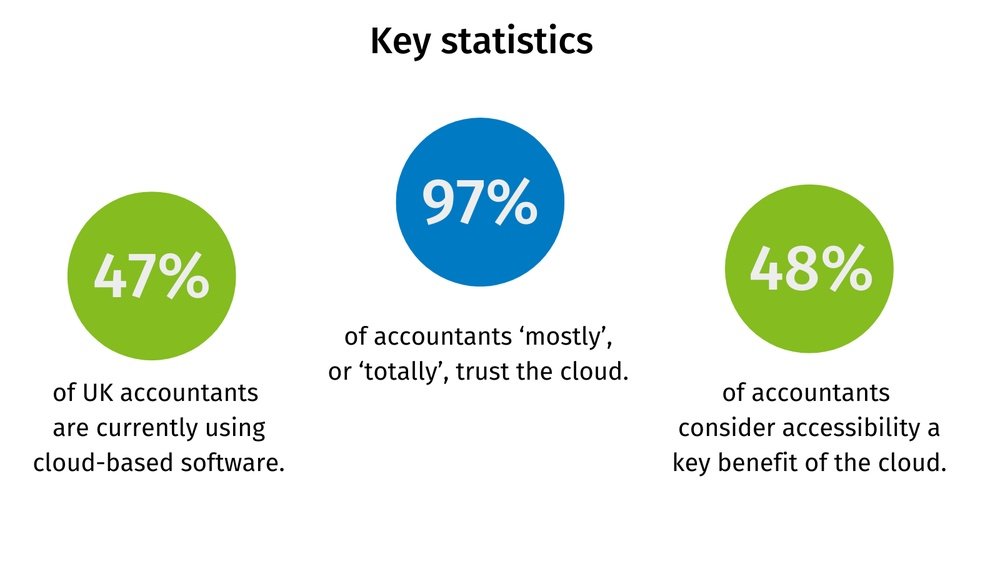
Cloud software stores data online. Users can access it from any device with internet. This allows easy collaboration with accountants or team members.
Updates happen automatically in cloud software. Users get new features without manual installs. It saves time and avoids technical problems.
Cloud solutions often include strong security measures. Data is backed up regularly to prevent loss. Businesses can feel safer about their financial information.
Many cloud tools offer flexible pricing. Users pay monthly or yearly based on needs. This suits small firms that want to control costs.
Benefits Of Desktop Solutions
Desktop software runs on a single computer. It does not require internet for daily use. This helps businesses with slow or unreliable connections.
Some users prefer desktop solutions for data control. Files stay on local machines, reducing outside access risks. It suits firms focused on privacy.
Desktop software can offer faster performance. Large data sets process quickly without network delays. This is helpful for businesses with heavy accounting needs.
One-time payment is common for desktop software. No recurring fees make budgeting simple. Users own the license and decide when to upgrade.

Credit: www.socialnews.xyz
Trends Shaping Accounting Software
Accounting software in the UK is evolving fast. New trends shape how businesses manage their finances. Software tools now do more than just basic bookkeeping. They help save time and reduce errors. These trends make accounting easier for small and large companies.
Automation And Ai
Automation handles repetitive tasks like data entry. AI helps by analyzing patterns and spotting errors. This reduces manual work and boosts accuracy. Businesses can focus more on strategy and less on paperwork. Many UK accounting tools now include smart features like these.
Mobile Accessibility
Mobile apps let users access accounts anytime, anywhere. This flexibility helps business owners stay updated on the go. Mobile-friendly software supports tasks like invoicing and expense tracking. It also improves communication between accountants and clients. Mobile access is now a standard feature in UK accounting software.
Regulatory Compliance Updates
UK tax laws and financial rules change often. Software that updates automatically keeps businesses compliant. This avoids fines and penalties from missed deadlines. Many accounting programs include alerts for new regulations. Staying up to date is easier with these tools.
Choosing The Right Software
Choosing the right accounting software is key for any business in the UK. The software must fit your specific needs and make your work easier. Picking the wrong one can slow down your processes and cause frustration. It is important to take time and think carefully before making a choice.
Assessing Business Needs
First, understand what your business needs from the software. Do you need help with invoices, taxes, or payroll? Consider the size of your business and the number of users. The software should match your current needs and grow with your business. Simple tools might work for small businesses. Larger companies may need more complex features.
Trial And Demo Importance
Trying the software before buying is very useful. Many providers offer free trials or demos. Use these to explore the interface and features. Check how easy it is to use. See if it saves time and reduces errors. Testing helps avoid buying software that does not fit your business.
Budget Considerations
Keep your budget in mind when choosing software. Some programs have monthly fees, others charge once. Look for software that offers good value for money. Avoid paying for features you do not need. Consider any extra costs like support or updates. The right balance between price and features is important.
Credit: www.seperacollege.com
Frequently Asked Questions
What Is The Most Popular Accounting Software In The Uk?
Xero, QuickBooks, and Sage are the most popular accounting software in the UK. They are widely used by small and medium businesses for managing finances efficiently. Each offers user-friendly features tailored to UK tax laws and compliance requirements.
Which Accounting Software Is Best For Small Uk Businesses?
QuickBooks is often preferred by small UK businesses due to its ease of use, affordability, and strong customer support. It integrates well with HMRC for tax submissions and provides essential accounting tools suitable for startups and growing companies.
Are Cloud-based Accounting Software Popular In The Uk?
Yes, cloud-based accounting software like Xero and QuickBooks Online are highly popular in the UK. They allow real-time access to financial data, automatic updates, and seamless collaboration with accountants from any location.
How Do Uk Accounting Software Handle Vat Compliance?
Most UK accounting software automate VAT calculations and submissions directly to HMRC. They help businesses stay compliant by generating accurate VAT returns and offering reminders for deadlines, reducing errors and saving time.
Conclusion
Choosing the right accounting software helps your business run smoothly. Many UK companies prefer easy-to-use and reliable tools. Features like invoicing, tax management, and reports matter most. Affordable prices and good customer support also guide decisions. Find software that fits your needs and budget well.
This way, managing finances becomes less stressful and more clear. The right choice saves time and helps grow your business steadily. Keep these points in mind when selecting software for your company.