
Are you curious about how AI platforms can change the way you work, create, or solve problems? Imagine having powerful tools that understand your needs, learn from your actions, and help you make smarter decisions faster.
This article will show you exactly what AI platforms are and how they can become your secret weapon. Stick with me, and you’ll discover how to unlock new possibilities that could make your daily tasks easier and more efficient. Ready to explore?
Let’s dive in.
Key Ai Platforms Today
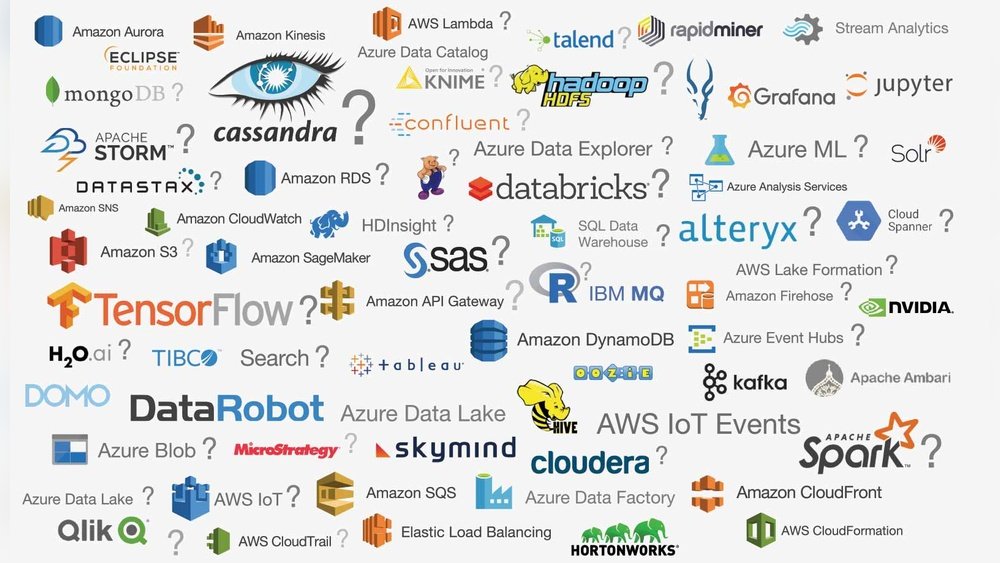
AI platforms shape how businesses and developers build smart solutions. These platforms offer tools and services to create, train, and deploy AI models. Understanding the key AI platforms helps in choosing the right technology for your needs.
Leading Cloud-based Ai Services
Cloud providers offer AI services that are easy to access and scale. Google Cloud AI, Microsoft Azure AI, and Amazon Web Services AI lead this space. They provide pre-built models for vision, language, and speech tasks. Developers can also build custom models with their tools. These platforms simplify AI use without deep expertise.
Open Source Ai Frameworks
Open source frameworks give freedom and flexibility to developers. TensorFlow and PyTorch are popular choices. They support building complex machine learning models from scratch. Open source tools have strong communities and many tutorials. They help beginners and experts create AI applications easily.
Specialized Ai Tools For Industries
Some AI platforms focus on specific industries like healthcare, finance, or retail. These tools offer tailored features and data sets. For example, healthcare AI platforms assist with medical imaging and diagnostics. Finance AI tools focus on fraud detection and risk management. Industry-specific AI speeds up development and improves results.

Credit: testgrid.io
Core Features Of Ai Platforms
AI platforms offer several key features that help businesses and developers build smart applications. These features allow machines to learn, understand, and act on data. They make AI tools more accessible and useful across different industries.
Understanding these core features helps users choose the right AI platform for their needs. Each feature supports different aspects of AI development and deployment.
Machine Learning Capabilities
Machine learning allows computers to learn from data without being explicitly programmed. AI platforms provide tools to create, train, and test machine learning models. These models improve automatically as they process more data. Users can build predictive analytics, recommendation systems, and data classification with ease.
Natural Language Processing
Natural language processing (NLP) helps machines understand human language. AI platforms use NLP to analyze text and speech. This enables chatbots, voice assistants, and sentiment analysis tools. NLP makes communication between humans and machines smoother and more natural.
Computer Vision Integration
Computer vision allows AI to interpret images and videos. Platforms provide APIs to detect objects, faces, and text in pictures. This feature supports applications in security, healthcare, and retail. It helps automate tasks like image recognition and quality inspection.
Automation And Workflow Support
Automation tools in AI platforms streamline repetitive tasks. They help design workflows that trigger actions based on AI insights. Businesses use automation to improve efficiency and reduce errors. These features integrate AI smoothly into daily operations.
Benefits Driving Ai Adoption
Artificial Intelligence (AI) platforms are becoming more popular across many industries. Their growth is not random. Clear benefits drive businesses to adopt these tools. These benefits touch many areas, from speeding up work to saving money and making customers happier.
Accelerating Innovation
AI platforms help teams create new ideas faster. They handle routine tasks, freeing people to focus on creative work. This leads to quicker development of products and services. Companies stay ahead by using AI to explore new possibilities. Experimenting becomes easier and less risky with AI support.
Enhancing Decision Making
AI platforms analyze large amounts of data quickly. They find patterns that humans might miss. This helps managers make better decisions based on facts. The insights from AI reduce guesswork and errors. Businesses can respond faster to market changes and customer needs.
Cost Efficiency And Scalability
Using AI can lower operational costs. It automates repetitive tasks, saving time and labor. AI platforms scale easily to handle more work without big extra costs. This flexibility helps businesses grow without huge investments. Resources are used more effectively, improving overall efficiency.
Improving Customer Experiences
AI platforms personalize interactions with customers. They understand preferences and offer tailored recommendations. This creates a more engaging and satisfying experience. Quick responses and round-the-clock support become possible. Happy customers are more likely to stay loyal and recommend the brand.
Credit: www.usemotion.com
Challenges And Limitations
AI platforms offer many benefits but face several challenges and limits. These issues affect how well AI works and who can use it. Understanding these challenges helps businesses and users set the right expectations.
Data Privacy And Security
AI systems need large amounts of data to learn. This data often includes personal information. Protecting this data from theft or misuse is critical. Poor security can lead to data leaks and loss of trust. Strict rules govern how data must be handled. Ensuring compliance with these rules is difficult and costly.
Bias And Ethical Concerns
AI can reflect the bias found in its training data. This may lead to unfair or harmful decisions. Bias can affect hiring, lending, and law enforcement. Ethical concerns arise about AI fairness and accountability. Developers must work to reduce bias and promote fairness. Transparency about AI decisions is also important for trust.
Integration Complexity
Adding AI to existing systems is often complex. AI tools may not easily fit with current software. Businesses must adapt workflows and train staff. Integration requires technical skills and time. Poor integration can reduce AI’s effectiveness and increase costs.
Resource Requirements
AI platforms need strong hardware and software resources. High computing power is required for training models. This demands expensive equipment and energy. Small businesses may struggle to afford these resources. Ongoing maintenance and updates add to the cost. Resource needs can limit who can use AI effectively.
Choosing The Right Ai Platform
Choosing the right AI platform is crucial for your business success. The right platform supports your goals and fits your team’s skills. It should be easy to use and scale as your needs grow.
Many options exist, each with different features and strengths. Careful selection helps avoid wasted time and money. Focus on key factors that match your business and technical needs.
Assessing Business Needs
Start by defining what your business needs from AI. Identify the problems you want to solve. Consider the type of data your business uses. Think about the expected outcomes and timelines. Clear goals guide you to the best platform choice.
Evaluating Platform Flexibility
Check if the platform supports multiple AI models and tools. Flexibility allows you to test different approaches. Look for easy integration with your current systems. Choose platforms that adapt to changing business demands. This saves time and effort in the long run.
Considering Support And Community
Strong support ensures quick help when issues arise. Look for platforms with good customer service. A large community means many shared resources and solutions. Active forums and tutorials help your team learn faster. Support and community reduce downtime and boost productivity.
Pricing And Licensing Models
Understand how the platform charges for its services. Some use subscription fees, others pay-as-you-go models. Check for hidden costs like extra storage or support fees. Choose a pricing plan that fits your budget and usage. Transparent pricing avoids surprises and keeps costs manageable.

Credit: www.dataversity.net
Future Trends In Ai Platforms
AI platforms are evolving fast. New trends will shape how businesses and people use AI. These trends make AI easier to use and more powerful. They help AI work better in different places. Understanding these trends helps us prepare for the future of AI.
Let’s explore some key future trends in AI platforms that will impact many industries.
Advances In Automl
AutoML makes building AI models easier. It reduces the need for expert knowledge. Future advances will speed up model creation. They will improve accuracy and lower costs. AutoML tools will help more people create AI solutions. This opens doors for small businesses and new developers.
Ai Democratization
AI democratization means making AI tools available to all. More user-friendly platforms are coming. They allow non-experts to use AI effectively. This trend spreads AI across industries and regions. It supports innovation and problem-solving at many levels.
Edge Ai Development
Edge AI runs directly on devices like phones or sensors. This reduces delay and increases privacy. Future AI platforms will support smarter edge computing. They will handle more data locally without cloud reliance. Edge AI helps in real-time decisions and better security.
Hybrid Cloud Ai Solutions
Hybrid cloud AI combines public and private clouds. It offers flexibility and control over data. Future platforms will improve integration and management. They allow seamless AI workloads across different environments. This trend supports compliance and scalability needs.
Frequently Asked Questions
What Are Ai Platforms And How Do They Work?
AI platforms are software frameworks that enable building, training, and deploying AI models. They provide tools for data processing, model development, and integration. These platforms streamline AI workflows, making it easier for developers and businesses to leverage artificial intelligence effectively.
Which Industries Benefit Most From Ai Platforms?
AI platforms benefit industries like healthcare, finance, retail, and manufacturing. They improve decision-making, automate tasks, and enhance customer experiences. By using AI platforms, businesses gain efficiency, reduce costs, and innovate faster in competitive markets.
How Do Ai Platforms Improve Business Productivity?
AI platforms automate repetitive tasks, analyze data quickly, and provide actionable insights. This reduces human error and speeds up processes. Businesses can focus more on strategic activities, leading to increased productivity and better resource management.
What Features Should I Look For In An Ai Platform?
Look for user-friendly interfaces, scalability, pre-built algorithms, and strong security. Integration capabilities with existing systems and support for multiple data types are also crucial. These features ensure the AI platform meets your business needs effectively.
Conclusion
AI platforms help businesses and individuals work smarter and faster. They offer tools that simplify complex tasks and save time. Choosing the right platform depends on your needs and goals. Many options exist, each with unique features and benefits. Exploring these platforms can lead to new ideas and better results.
Embrace AI technology to stay current and improve your work. The future belongs to those who adapt and learn quickly. AI platforms are a valuable part of that future.
